Former Deputy Ryan Kuehner's Top Dog Safety Tips from
Dogs bring joy, companionship, and comfort to millions of homes. Yet, keeping them safe requires more than just love and attention. Former Deputy Ryan Kuehner, with years of experience in law enforcement and community safety, shares practical and effective dog safety tips that every pet owner should know. These tips go beyond basic care, focusing on real-world situations and prevention strategies that protect dogs and their families.

Understanding Your Dog’s Environment
Dogs rely heavily on their owners to navigate the world safely. Knowing the environment where your dog spends most of its time is crucial. This includes your home, yard, neighborhood, and places you visit together.
Secure Your Yard
Make sure fences are tall enough and without gaps. Dogs can squeeze through surprisingly small spaces or dig under fences. Regularly inspect for weak spots or damage.
Avoid Toxic Plants and Substances
Many common plants, such as azaleas, lilies, and sago palms, are poisonous to dogs. Keep these out of reach or remove them entirely. Also, store household chemicals, medications, and cleaning supplies securely.
Be Aware of Local Wildlife and Hazards
Depending on your location, wildlife like snakes, coyotes, or raccoons can pose threats. Keep dogs on a leash during walks and avoid areas known for dangerous animals.
Safe Walking Practices
Walking your dog is essential for exercise and bonding, but it also presents risks. Deputy Kuehner emphasizes safety during these outings.
Use a Strong Leash and Collar or Harness
A sturdy leash and properly fitted collar or harness prevent escapes. Avoid retractable leashes in busy areas as they offer less control.
Stay Visible
Walk during daylight or use reflective gear and lights for evening walks. This helps drivers and cyclists see you and your dog.
Watch for Traffic and Other Dogs
Always be alert near roads and intersections. Keep your dog close and under control to avoid accidents or confrontations with other animals.
Carry Identification
Ensure your dog wears an ID tag with your contact information. Microchipping is also highly recommended for permanent identification.
Handling Emergencies and First Aid
Emergencies can happen anytime. Knowing how to respond quickly can save your dog’s life.
Learn Basic First Aid
Familiarize yourself with CPR for dogs, how to stop bleeding, and how to handle choking. Keep a pet first aid kit at home and in your car.
Have Emergency Contacts Ready
Know the location and contact details of the nearest emergency veterinary clinic. Keep these numbers accessible.
Recognize Signs of Distress
Symptoms like difficulty breathing, excessive drooling, vomiting, or sudden weakness require immediate attention.
Prepare for Natural Disasters
Have a plan for evacuating with your dog during floods, fires, or storms. Include food, water, and supplies in an emergency kit.
Training for Safety
Training your dog is one of the best ways to keep them safe. Deputy Kuehner stresses consistent, positive training methods.
Teach Basic Commands
Commands like “sit,” “stay,” “come,” and “leave it” can prevent dangerous situations. For example, “leave it” can stop your dog from eating harmful objects.
Socialize Your Dog
Proper socialization reduces fear and aggression around people and other animals. This lowers the risk of bites or fights.
Practice Recall
A reliable recall command ensures your dog returns to you even if off-leash in safe areas.
Use Positive Reinforcement
Reward good behavior with treats and praise. Avoid punishment, which can cause fear and worsen behavior.

Preventing Heatstroke and Other Health Risks
Heatstroke is a common and dangerous condition for dogs, especially in warm weather. Deputy Kuehner highlights prevention tips.
Never Leave Dogs in Hot Cars
Temperatures inside vehicles rise quickly and can be fatal within minutes.
Provide Plenty of Water and Shade
Always have fresh water available during outdoor activities. Avoid strenuous exercise during peak heat hours.
Know the Signs of Heatstroke
Heavy panting, drooling, weakness, vomiting, or collapse require immediate cooling and veterinary care.
Protect Against Parasites
Use vet-recommended flea, tick, and heartworm preventatives. Parasites can cause serious illness.
Traveling Safely with Your Dog
Traveling with dogs requires extra preparation to keep them safe and comfortable.
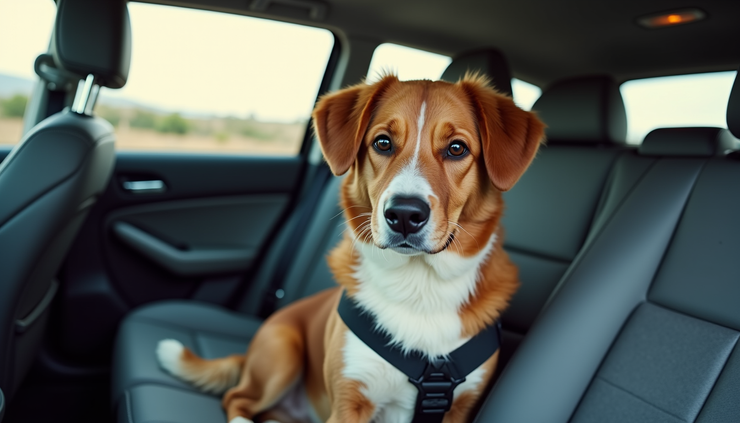
Use Proper Restraints
Use a dog seatbelt, crate, or barrier to prevent injury during car rides.
Plan for Breaks
Stop every few hours for bathroom breaks and exercise.
Bring Essentials
Pack food, water, bowls, leash, waste bags, and any medications.
Check Pet Policies
Confirm pet rules for hotels, parks, or other destinations.
Protecting Your Dog from Theft and Abuse
Unfortunately, dog theft and abuse are real concerns. Deputy Kuehner advises vigilance.
Keep Dogs Supervised
Never leave dogs unattended in public places or unlocked yards.
Use Secure Identification
Microchips and ID tags help recover lost or stolen dogs.
Report Suspicious Activity
If you see someone acting suspiciously around dogs, report it to local authorities.
Educate Your Community
Encourage neighbors to watch out for each other’s pets and share safety tips.
Final Thoughts on Dog Safety
Keeping your dog safe takes ongoing effort and awareness. Former Deputy Ryan Kuehner’s tips focus on practical steps that protect dogs in everyday life and emergencies. By securing your environment, practicing safe walking habits, training effectively, and preparing for health risks and travel, you build a strong foundation for your dog’s safety.
