Former Deputy Ryan Kuehner on Missouri Marijuana Laws
Marijuana laws in Missouri have evolved rapidly over recent years, creating a complex legal landscape for residents, law enforcement, and policymakers. Former Deputy Ryan Kuehner offers a unique perspective on these changes, drawing from his experience in law enforcement to clarify what the laws mean in practice. This post explores his insights on Missouri’s marijuana regulations, highlighting key points that affect everyday life and public safety.

Understanding Missouri’s Marijuana Legal Framework
Missouri legalized medical marijuana in 2018 through Amendment 2, allowing patients with qualifying conditions to use cannabis for treatment. Recreational marijuana followed in 2022 with Amendment 3, permitting adults 21 and older to possess and purchase limited amounts of cannabis.
Ryan Kuehner emphasizes that while legalization marks progress, the laws remain detailed and require careful attention:
Possession limits: Adults can possess up to three ounces of marijuana flower, 3,000 milligrams of THC in edibles, or equivalent amounts in concentrates.
Home cultivation: Medical patients may grow up to six flowering plants, but recreational users cannot cultivate at home.
Public use: Smoking or vaping marijuana in public places remains illegal and can result in fines.
Driving under influence: Missouri enforces strict DUI laws related to marijuana, with penalties similar to alcohol-impaired driving.
Kuehner points out that these rules aim to balance personal freedom with public safety, but misunderstandings often lead to legal trouble.
Challenges Law Enforcement Faces with Marijuana Laws
From Kuehner’s experience, law enforcement officers face several challenges adapting to the new marijuana laws:
Distinguishing legal from illegal possession: Officers must quickly assess if a person’s marijuana amount complies with possession limits or if it exceeds legal thresholds.
Identifying impairment: Unlike alcohol, there is no simple roadside test for marijuana impairment, complicating DUI enforcement.
Addressing unlicensed sales: Illegal marijuana sales continue despite legalization, requiring ongoing investigation and enforcement.
Community relations: Officers must balance enforcing laws with maintaining trust in communities where marijuana use is common.
Kuehner stresses that training and clear guidelines are essential for officers to apply the laws fairly and consistently.

Practical Advice for Missouri Residents
Based on Kuehner’s insights, here are practical tips for Missouri residents navigating marijuana laws:
Know the limits: Carry no more than the legal possession amount to avoid charges.
Keep marijuana out of public view: Use private spaces for consumption to prevent fines.
Avoid driving after use: Even if you feel sober, THC can impair driving ability and lead to DUI charges.
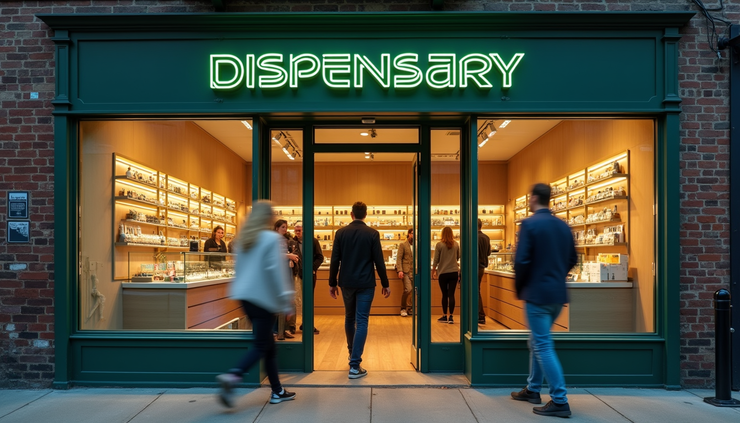
Purchase from licensed dispensaries: Buying from unlicensed sellers risks legal consequences and unsafe products.
Understand workplace policies: Employers may still prohibit marijuana use and conduct drug testing.
These steps help individuals stay within the law and reduce conflicts with law enforcement.
The Impact of Legalization on Missouri Communities
Kuehner notes that legalization has brought both benefits and challenges to Missouri communities:
Economic growth: Licensed dispensaries and cultivation facilities create jobs and generate tax revenue.
Reduced arrests: Fewer marijuana-related arrests free up law enforcement resources for other crimes.
Public health concerns: Increased availability raises questions about youth access and long-term health effects.
Law enforcement adaptation: Agencies must update policies and training to reflect new realities.
He believes ongoing dialogue between lawmakers, law enforcement, and the public is key to addressing these issues effectively.
Looking Ahead: What Missouri’s Marijuana Laws Might Become
Ryan Kuehner anticipates further changes in Missouri’s marijuana laws as the state gains more experience with legalization:
Refined DUI testing methods: Development of better tools to detect marijuana impairment on the road.
Expanded home cultivation rights: Possible adjustments to allow recreational users to grow limited plants.
Stronger regulations on edibles: Clearer labeling and packaging rules to protect consumers.
Continued focus on illegal sales: Enhanced enforcement to combat unlicensed marijuana markets.
He encourages residents to stay informed and participate in public discussions to shape future policies.
