Former Deputy Ryan Kuehner Discusses Justice Reform in St Charles County
- ryankuehner
- Apr 14
- 3 min read
Justice reform remains a pressing issue across the United States, and St. Charles County is no exception. Former Deputy Ryan Kuehner offers a unique perspective on how the local justice system can evolve to better serve the community. His experience in law enforcement provides valuable insights into the challenges and opportunities for reform in this region.

Understanding the Current Justice System in St. Charles County
St. Charles County has seen steady population growth over the past decade, which has put pressure on its justice system. The county’s law enforcement agencies, courts, and correctional facilities face increasing demands. Deputy Kuehner points out that while the system functions, it often struggles with:
Overcrowded jails
Lengthy court backlogs
Limited resources for rehabilitation programs
These issues contribute to a cycle where many individuals, especially those with minor offenses, end up repeatedly involved with the justice system without receiving the support they need to change their behavior.
Challenges Highlighted by Former Deputy Ryan Kuehner
Kuehner emphasizes that one of the biggest challenges is balancing public safety with fairness. He notes that:
Traditional punitive approaches do not always reduce crime rates.
Many offenders suffer from underlying issues such as substance abuse or mental health problems.
The system sometimes lacks alternatives to incarceration that could better address root causes.
He shares an example from his time on duty where a young offender with a drug addiction was repeatedly jailed but never connected to treatment programs. This cycle wasted resources and failed to improve the individual’s life or community safety.
Opportunities for Reform in St. Charles County
Based on his experience, Kuehner suggests several practical reforms that could improve outcomes:
Expanding Diversion Programs
Diversion programs redirect eligible offenders away from jail and into community-based treatment or education. These programs can reduce jail populations and help individuals address problems that contribute to criminal behavior.
St. Charles County could increase funding for such programs.
Law enforcement officers can receive training to identify candidates for diversion early.
Improving Mental Health and Addiction Services
Many arrests involve individuals struggling with mental health or addiction. Kuehner advocates for:
Better collaboration between law enforcement and health providers.
Crisis intervention teams trained to handle these cases with care.
More accessible treatment options within the community.
Enhancing Community Policing
Building trust between police and residents is key to effective justice reform. Kuehner supports:
Officers engaging regularly with community members.
Programs that encourage dialogue and cooperation.
Transparency in law enforcement practices.
These efforts can reduce tensions and encourage community members to participate in crime prevention.

The Role of Data and Technology
Kuehner highlights how data-driven approaches can help the county make informed decisions. For example:
Tracking recidivism rates to evaluate program effectiveness.
Using technology to streamline court processes and reduce delays.
Implementing body cameras to increase accountability.
These tools can support transparency and improve the efficiency of the justice system.
Engaging Stakeholders for Lasting Change
Justice reform requires cooperation from many groups, including:
Law enforcement agencies
Local government officials
Community organizations
Residents affected by the system
Kuehner stresses the importance of open forums and ongoing dialogue to ensure reforms meet the community’s needs. He recalls successful town hall meetings where residents shared their experiences and ideas, leading to new initiatives.
Examples of Successful Reform Efforts
Other counties in Missouri and across the country offer models that St. Charles County can learn from:
Programs that combine probation with mandatory counseling have lowered repeat offenses.
Courts that use risk assessments to tailor sentences have reduced jail overcrowding.
Partnerships between police and social workers have improved responses to mental health crises.
Kuehner believes adopting similar strategies locally could yield positive results.
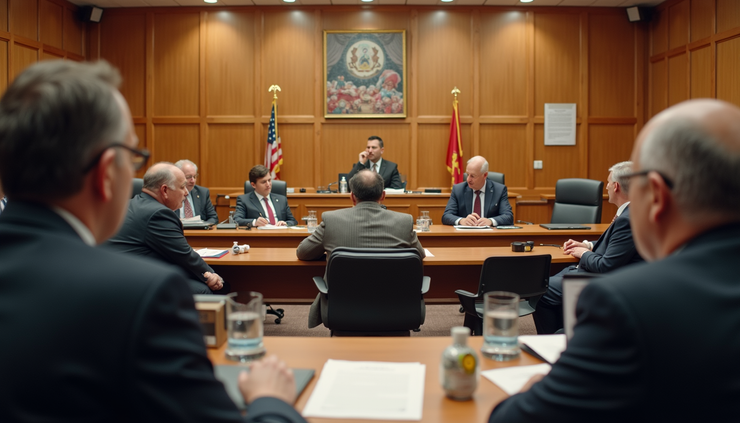
Moving Forward with Justice Reform
Justice reform in St. Charles County is a complex but achievable goal. Former Deputy Ryan Kuehner’s insights show that change depends on practical solutions grounded in real-world experience. By expanding diversion programs, improving mental health services, fostering community trust, and using data wisely, the county can build a justice system that protects public safety while supporting rehabilitation.
Residents and officials alike have a role in shaping this future. Engaging in conversations, supporting reform initiatives, and staying informed can help ensure that justice in St. Charles County becomes fairer and more effective for everyone.
